Data Engineering & Analytics.
One set of numbers everyone in the business trusts.
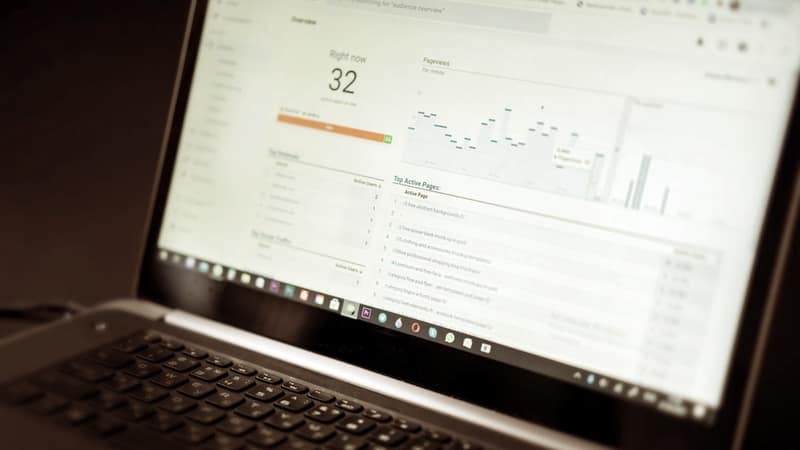
Drema builds the data layer underneath decisions: ingestion from your operational systems, a modelled warehouse, tested transformations and dashboards people actually open. The measure of success is boring and specific — two people asking the same question get the same number, and can see how it was calculated.
One set of numbers everyone in the business trusts.
What usually
goes wrong.
Every meeting starts with an argument about whose figure is right. Revenue means three different things depending on which dashboard you opened, pipelines fail silently overnight, and the analyst everyone depends on is the only person who knows which table is safe to use.
Everything that ships
with this work.
Not a menu to choose from. Each piece is here because leaving it out is what makes this kind of project fail six months later.
Ingestion pipelines
Reliable extraction from databases, SaaS tools, event streams and third-party APIs, with retries and backfill.
Warehouse modelling
A layered model from raw to business-ready tables, so definitions live in one place.
Transformation with tests
Version-controlled SQL transformations with data quality assertions that fail loudly.
Metric definitions
Canonical, documented definitions for the numbers the business argues about.
Dashboards and self-serve
Reporting built around real questions, with enough structure that non-analysts can answer their own.
Observability
Freshness, volume and schema-change alerting so failures surface before a decision is made on stale data.
The order matters more
than the tools.
Most of what separates a project that lands from one that stalls is sequence. This is the order we work in, and why each step comes where it does.
- 01
Decisions first
We start from the decisions the data must support, not the tables that happen to exist. This prevents building a warehouse nobody queries.
- 02
Source audit
Mapping systems, ownership, update frequency and the known quality problems in each.
- 03
Model the core
The handful of entities the whole business shares — customer, order, session — defined once.
- 04
Test and automate
Quality assertions and scheduling, so the pipeline is trustworthy without daily babysitting.
- 05
Enable the team
Documentation and training so analysts extend the model instead of routing every request through us.
Where this gets
put to work.
The situations this service is built for. If one of these sounds like your problem it is worth a conversation — and if none of them do, say so on the call and we will point you at what would actually fit.
Single source of truth
Ending the recurring argument about which revenue or active-user number is correct.
Product analytics
Behavioural event pipelines feeding funnels and retention, the class of system underneath DeepSync.
Operational reporting
Near-real-time visibility into fulfilment, support load or utilisation.
AI-ready data
Clean, well-modelled data as the prerequisite for any machine learning that follows.
Have a use case that is not on this list? That is usually the interesting one.
Chosen to fit,
not to impress.
We pick tools that suit the problem and that your team can maintain after we hand over — never to pad a capability list.
Questions we
get asked.
Straight answers, including the ones that talk you out of work we would otherwise be paid for.
Do we need a data warehouse or is our database enough?
If you are running analytical queries against your production database, you are slowing your product down and constraining what you can ask. A warehouse becomes worthwhile once reporting affects application performance, or once you need to join data across more than one system.
How long does a data platform take to build?
A first useful slice — one or two sources ingested, core entities modelled and a dashboard answering a real question — typically takes four to eight weeks. Building the entire warehouse before anyone sees value is a pattern we avoid.
Can you work with the tools we already have?
Yes. We are not tied to a vendor stack and will generally extend what you own rather than migrate you, unless the existing tooling is the actual constraint. Migration is a recommendation we justify, not a default.
Who maintains the pipelines afterwards?
Your team, in most engagements. We build with version-controlled transformations, tests and documentation specifically so that ongoing ownership does not require us.
How do you handle data quality?
Assertions run as part of the pipeline — row counts, uniqueness, referential integrity, freshness — and a failure stops the run rather than quietly publishing wrong numbers. Silent corruption is worse than a visibly late dashboard.
Is this a prerequisite for AI work?
Usually, yes. Most machine learning projects that stall do so because of data availability and quality, not modelling. Getting the data layer right first is the cheaper path to a working model.

Talk it through with a founder.
Bring the actual problem. You will get a straight answer on whether data engineering & analytics is the right approach
— including when it is not.